
Pink Pepper Notes: The Complete Guide to Pink Pepper Fragrances
Pink pepper perfumes are vibrant, modern and instantly captivating. Known for their sparkling, slightly spicy character, pink pepper adds a lively kick to a fragrance without overwhelming the composition. It brings brightness, warmth and subtle heat, making it one of the most exciting top notes in contemporary perfumery.
Often used in the opening of a fragrance, pink pepper creates an energetic first impression before blending seamlessly into floral, woody or amber bases. If you enjoy perfumes that feel fresh yet subtly spicy, pink pepper fragrances offer the perfect balance of warmth and lift.

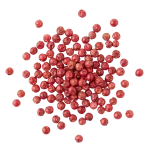
Pink peppercorns are small dried berries harvested from the Schinus tree, most commonly the Peruvian pepper tree (Schinus molle) and Brazilian pepper tree (Schinus terebinthifolius). Despite their name, they are not true pepper and are unrelated to black pepper. Native to South America, particularly Peru and Brazil, these bright pink berries are gently dried after harvesting and are valued in perfumery for their light, sparkling spice and subtle rosy warmth. When distilled into essential oil, pink pepper adds freshness and vibrancy to fragrance compositions without the sharp heat of traditional pepper.
Perfumes With Pink Pepper Top Notes

65 – Inspired by Black Opium


Perfumes With Pink Pepper Middle Notes

76 – Inspired by Pomegranate Noir




Not sure which scent profile is right for you? Use our Fragrance Finder to discover fragrances matched to the styles you love.
What Does Pink Pepper Smell Like?
Pink pepper has a unique scent profile that combines:
- Light spiciness
- Fresh citrus brightness
- Slight rosy sweetness
- A gentle woody undertone
Unlike black pepper, pink pepper is softer and more refined. It adds a sparkling effect to a fragrance rather than heavy spice, making it extremely versatile in both men’s and women’s perfumes.
Where Does Pink Pepper Come From?
Pink pepper comes from the berries of the Schinus tree, often called the Peruvian pepper tree or Brazilian pepper tree. Despite the name, it is not related to traditional black pepper. The berries are dried and distilled to produce an essential oil used in perfumery.
Its popularity has grown significantly in modern fragrance design because of its ability to add brightness and energy without overpowering other notes.
Why Pink Pepper Is Used in Perfumes?
Perfumers use pink pepper to:
- Create a fresh, sparkling opening
- Add subtle warmth without heaviness
- Enhance floral and citrus notes
- Bring contrast to sweet or woody bases
It is commonly paired with:
This versatility makes pink pepper a favourite in both fresh daytime fragrances and elegant evening scents.
Who Should Wear Pink Pepper Perfumes?
Pink pepper fragrances are ideal for those who enjoy:
- Fresh but slightly spicy scents
- Modern, confident fragrance profiles
- Bright openings that evolve smoothly
- Versatile perfumes suitable for day or night
Because it sits comfortably between freshness and warmth, pink pepper works beautifully in men’s, women’s and unisex compositions.
Frequently Asked Questions
Pink pepper has a fresh, sparkling scent with a light spiciness and subtle rosy warmth. It feels bright and energetic rather than heavy or sharp, adding a lively kick to the opening of a fragrance.
Pink pepper is mildly spicy, but much softer than black pepper. In perfume, it creates a gentle warmth and effervescent lift rather than an intense or overpowering heat.
Pink pepper is most commonly used as a top note. It creates a vibrant first impression when a fragrance is first applied, before blending into floral, woody or amber heart and base notes.
Pink pepper is completely unisex. It appears in men’s, women’s and unisex fragrances because of its versatility. It pairs well with citrus, florals, woods and musks, making it adaptable to many fragrance styles.
Pink pepper works beautifully with notes such as bergamot, rose, jasmine, amber, musk and woody accords. It enhances freshness while adding subtle warmth and complexity.
As a top note, pink pepper is most noticeable in the opening of a fragrance. However, its subtle warmth can continue to influence the scent as it develops, especially when blended with woody or amber notes.
No. Pink peppercorns come from the Schinus tree and are not related to traditional black pepper. In perfumery, pink pepper is softer, brighter and more aromatic than black pepper.